
The Perfect Image Cracks
The debate around Noma, and the old belief that suffering is the price of greatness.
Perfect images keep collapsing these days.
Just when we think the mythology of a certain world is intact, another crack appears. Another immaculate photograph loses its polish.
So perhaps the perfect image never existed. Or perhaps we simply spent too much time believing in it.
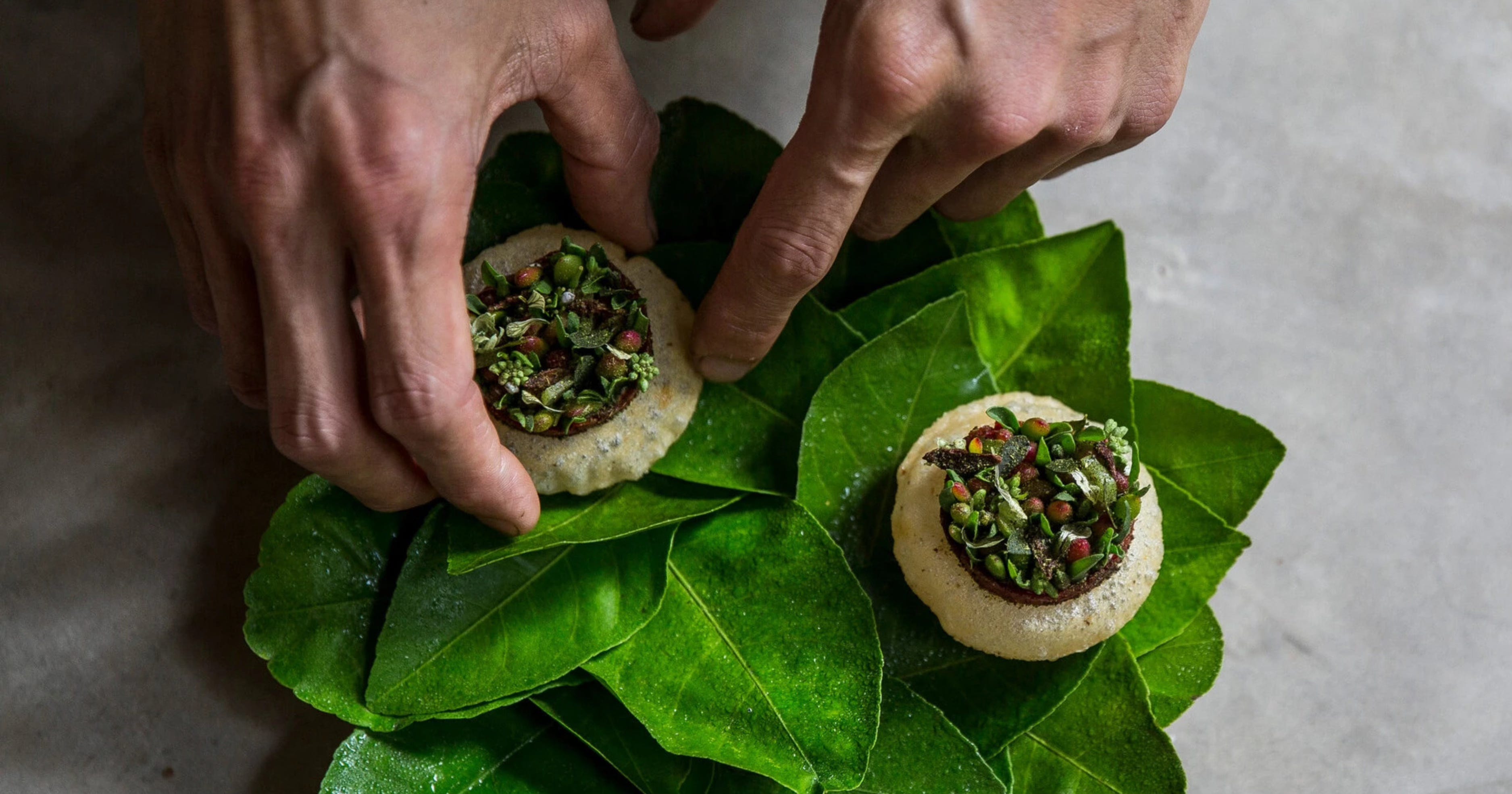
Take Noma in Copenhagen. For almost two decades, it has been treated as one of the temples of modern gastronomy. Founded in 2003 by René Redzepi, the restaurant built an entire philosophy around what became known as the New Nordic movement: foraging in forests, fermenting local ingredients, turning moss, ants, sea buckthorn, and wild herbs into dishes that looked more like landscapes than plates of food.
Chefs from all over the world travelled there to stage. Many later opened restaurants of their own. Noma collected awards, three Michelin stars, and several titles as the best restaurant in the world. It became something larger than a restaurant, almost a symbol of creative perfection.
And now the story has shifted.
Redzepi himself has acknowledged that the system behind that brilliance was also extremely demanding. Former staff members describe exhausting schedules, relentless pressure, and years when the kitchen depended heavily on interns working extraordinary hours simply to keep the machine running.
But the most interesting part is not only what happened inside the kitchen. It is the reaction outside.
Some people say the situation is unacceptable, that excellence built on exhaustion should never be admired.
Others say something else entirely. They argue that reaching that level of innovation inevitably requires sacrifice. That extreme creativity comes with extreme pressure. That many chefs who passed through Noma went on to build remarkable careers of their own.
Behind this debate lies a very old idea: the belief that suffering is the price of greatness.
Stress exists in every serious profession. Anyone who has built something knows that feeling: difficult decisions, mistakes, the constant fear of losing momentum, money, or opportunity. Tension comes with responsibility.
But something changes when pressure is deliberately manufactured. When humiliation, screaming, or intimidation become part of the method. That is no longer discipline. That is fear.
For most of my life, I believed perfection required severity. I was extremely hard on myself. If something went wrong, I punished myself first. Naturally, I expected others to function the same way. If I could tolerate pressure, everyone else should be able to tolerate it too.
But people do not respond to pressure in the same way. What sharpens one person can quietly break another.
The best mentorship I ever received did not come through fear. It came from people who gave me responsibility, space, and trust. That kind of trust creates pressure too, but it is a productive kind. You want to rise because someone believes you can.
Screaming, insults, humiliation - none of that is discipline. It is simply a form of terror.
Many of us grew up with a different model. Success mattered more than the path that led to it. Authority appeared as volume rather than knowledge. Results were displayed like trophies, while the process stayed hidden.
So we learned to confuse hardness with seriousness. We learned to treat damage as proof of value.
And perhaps that is why these perfect images keep collapsing.
Not because excellence itself is impossible, but because we built the mythology around the wrong things. We admired the result and ignored the cost.